

As summer climate setups evolve and heatwaves grow increasingly severe across the Dallas-Fort Worth metroplex, checking your car's operational readiness shifts from a minor routine to an essential safety requirement. Sustained highway temperatures cause moving parts to wear out prematurely, deplete fluid reservoirs, and place tremendous structural loads on mechanical systems operating in harsh weather. Skipping a strategic seasonal transition significantly increases the likelihood of unexpected breakdowns, component structural failures, and hazardous tire degradation on heat-soaked pavement. Preparing your vehicle to withstand these extreme environmental conditions requires a methodical, defensive strategy.
Combating Extreme Heat and Heat Damage Protection
- Battery Check: Scorching operational temperatures accelerate internal cell deterioration and fluid evaporation. Procure an authorized professional diagnostic check to verify maximum cold-cranking power and prevent surprise roadside failure.
- Belts and Hoses: Severe thermal exposure degrades accessory belts and flexible radiator lines, causing them to dry out, split, or lose tension, which can induce sudden electrical or cooling systems breakdowns.
- Air Conditioning Check: Audit your vehicle's climate control system immediately to identify minor refrigerant leaks or restricted cabin ventilation, avoiding prolonged backlogs at the service department during summer peaks.
- Thermal Shielding: Enclosed interior volumes can quickly exceed 110°F even during mild baseline days. Utilizing high-quality reflective screens insulates vulnerable dashboard circuitry and leather upholstery from devastating ultraviolet degradation.
Tire Safety and Summer Performance Metrics
- Cold Inflation Calibration: Measure tire inflation metrics using a calibrated pressure gauge while the units are completely "cold"—meaning the vehicle has been stationary for 3 hours or has traveled less than 1 mile.
- PSI Adherence: Strictly match the exact tire pressure specified on the driver-side door jamb placard or inside the vehicle manual, completely avoiding the maximum inflation numbers stamped onto the tire casing.
- Structural Inspections: Systematically scan your tire treads and sidewalls for physical indicators of heat stress, including micro-cracking, uncharacteristic wear patterns, canvas punctures, or structural air bubbling.
- Load and Tire Alignment: Operating at continuous highway speeds or carrying heavy cargo configurations places additional strain on tire compounds during hot weather. Investing in a professional wheel alignment helps ensure even wear and maximizes passenger safety.
Maximizing Fluid Health and Cooling System Integrity
- Cooling System Optimization: Verify that the radiator assembly, engine water pump, and thermostat function flawlessly. Always demand high-performance coolant mixtures with elevated boiling points to suppress overheating.
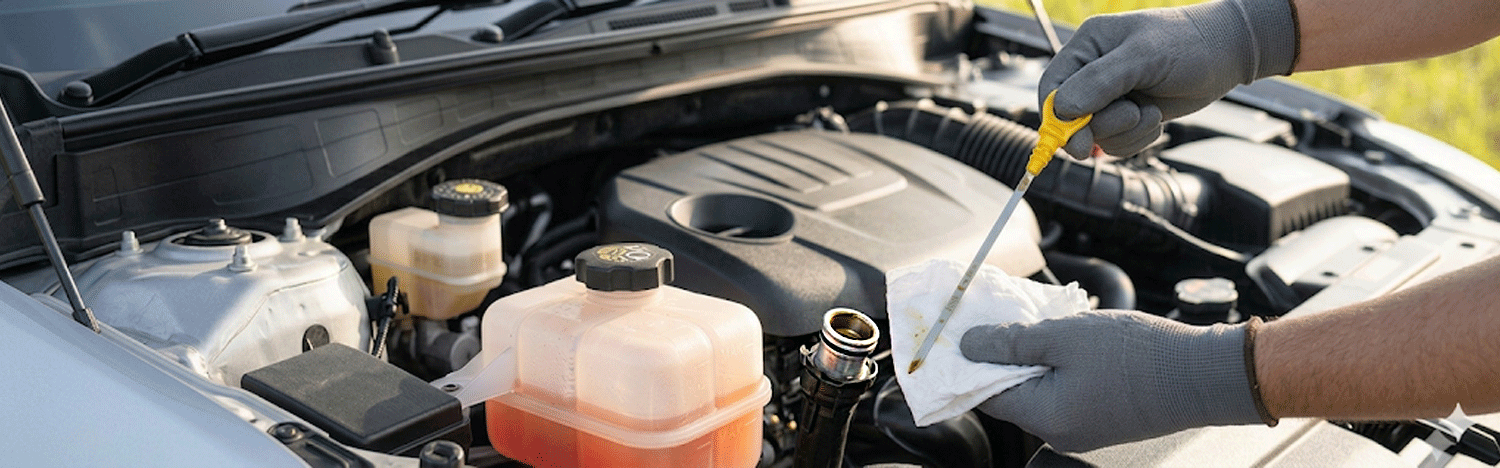
- Fluid Level Audits: Perform systematic audits of all primary under-hood fluid lines—including your motor oil, brake system reservoir, and transmission fluid—confirming they are unadulterated and at full volume.
- Visibility Refresh: Replace windshield wiper structures that were degraded by past winter weather conditions to ensure flawless operation during sudden downpours, and maintain a full windshield washer fluid reservoir.
- Rust Prevention: Treat the automobile's undercarriage with an intensive high-pressure wash to remove lingering road chemicals, salt, or winter sand. Seal open paint abrasions immediately to prevent ambient humidity from accelerating rust.
Schedule Your Seasonal Service
Do not permit extreme summer conditions to disrupt your travel plans. Schedule a comprehensive vehicle inspection at the Van Hyundai Service Center today. Secure your appointment prior to the seasonal rush to ensure your vehicle is fully prepared for the challenging months ahead. Please reach out to us today for additional details.
